
 Sports
Mastering the Art of Sports Broadcasting: Techniques and Best…
Understanding Sports Broadcasting
What is Sports Broadcasting?
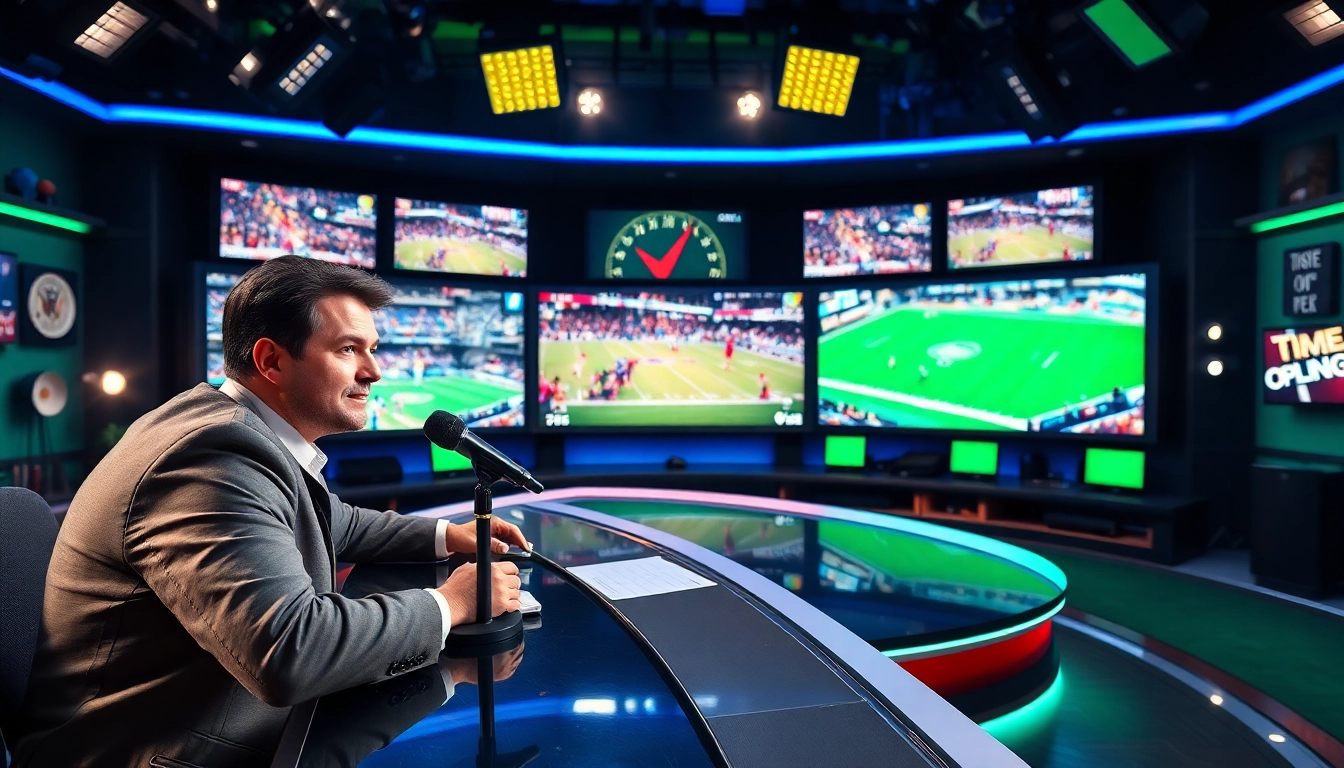
Sports Broadcasting refers to the live or recorded transmission of sporting events through various media, including television, radio, and internet platforms. The primary goal is to deliver real-time coverage to audiences, enabling them to experience the thrill of the game, team dynamics, and outstanding athletic performances from the comfort of their homes or on-the-go. Effective sports broadcasting not only informs but also entertains, creating a rich narrative around the events. The evolution of technology has transformed this field dramatically, making Sports Broadcasting more accessible and engaging for viewers worldwide.
History and Evolution of Sports Broadcasting
Sports Broadcasting has a rich history dating back to the 1920s when the first radio broadcasts of baseball games emerged. The transition from radio to television in the 1950s expanded the audience significantly, allowing fans to watch live broadcasts of sports events. Landmark moments, such as the 1967 Super Bowl, attracted millions, showcasing the potential of television as a medium for sports. The 1980s and 1990s saw the introduction of satellite technology and the concept of cable sports networks, providing dedicated platforms for various sports. Today, the arrival of digital broadcasting and online streaming services has created a truly global arena for sports broadcasting.
Key Components of Sports Broadcasting
Effective sports broadcasting encompasses several key components:
- Commentary: Skillful commentators analyze plays, provide insights, and engage audiences, enhancing viewer experience.
- Production Elements: Incorporate graphics, replays, and sound effects to provide context and build excitement.
- Technology: Utilize modern technology to enhance live broadcasts, including cameras, drones, and augmented reality.
- Research and Preparation: Broadcasters must be well-informed about teams, players, and statistics to deliver accurate commentary.
The Role of Technology in Sports Broadcasting
Latest Innovations in Sports Broadcasting Technology
Technology has revolutionized sports broadcasting by integrating cutting-edge innovations. High-definition (HD) broadcasts have replaced standard definition, offering crisper images. 4K and even 8K technologies are now becoming available, setting new standards for resolution. Additionally, virtual and augmented reality technologies provide immersive experiences by allowing fans to view games from multiple angles or even step into the player’s shoes through VR goggles. Enhanced analytics powered by artificial intelligence now assist broadcasters in analyzing player performance and statistics in real-time, allowing for more insightful commentary.
Impact of Streaming Services on Sports Broadcasting
The rise of streaming services has drastically altered the landscape of sports broadcasting. Platforms like ESPN+, DAZN, and others provide flexible viewing options, unbundling traditional cable packages and allowing fans to subscribe only to the sports that interest them. This shift has fostered competitive pricing, with many services offering on-demand options for replays and highlights, catering to younger audiences who favor mobile consumption. Moreover, the interactive capabilities of these platforms have driven increased audience engagement, pushing broadcasters to rethink their content strategy to retain viewers.
Future Trends in Sports Broadcasting Technology
As we look to the future, several trends are likely to shape sports broadcasting:
- Artificial Intelligence: AI will play an even larger role in analytics, enabling deeper insights into games for broadcasters and viewers.
- Cloud-Based Broadcasting: This technology will facilitate more flexible and cost-effective production, making it easier for smaller networks and independent broadcasters to enter the market.
- Personalized Viewing Experiences: Advanced algorithms will tailor content delivery to suit individual viewer preferences, creating unique fan experiences across various platforms.
- Increased Fan Interactivity: Features allowing live voting or real-time fan insights during broadcasts can help build community and engagement around events.
Creating Engaging Content in Sports Broadcasting
Storytelling Techniques for Sports Broadcasting
At its core, effective sports broadcasting is about storytelling. Commentators are responsible for weaving narratives that highlight the drama of competition. Techniques such as character development (focusing on players and coaches), building suspense through play-by-play analysis, and incorporating historical context can enrich the viewer’s experience. Highlighting personal stories—such as a player overcoming adversity—adds depth that resonates with fans.
Importance of Audience Engagement in Sports Broadcasting
Engagement is crucial in sports broadcasting, as it keeps viewers coming back. Interactive elements like live polls, social media integrations, and fan shout-outs create a sense of community among viewers. Broadcasters should also consider audience demographics and preferences when crafting content. For instance, younger audiences may prefer a more casual and humorous commentary style, while older viewers might appreciate in-depth analysis and traditional commentary techniques.
Building a Personal Brand as a Sports Broadcaster
In the highly competitive field of sports broadcasting, building a personal brand is essential for success. Broadcast professionals should leverage social media platforms to connect with fans, share insights, and showcase their unique style. It’s also critical to continuously hone communication skills, ensuring they can engage with audiences effectively both on and off-camera. Developing a consistent voice and persona will not only attract viewers but can also lead to opportunities for sponsorships and endorsements.
Best Practices for Sports Broadcasting
Preparing for a Live Broadcast
Preparation is a vital aspect of successful live broadcasting. Broadcasters should conduct thorough research on teams, players, and potential storylines prior to the event. Creating a detailed outline of key statistics and narratives to highlight during the broadcast can help guide commentary and keep the audience engaged. It’s also wise to collaborate with producers to coordinate the show’s format, graphics, and timing.
Effective Communication Skills in Sports Broadcasting
Effective communication is paramount in sports broadcasting. Broadcasters must articulate their thoughts clearly and concisely while being relatable to the audience. Practicing active listening during broadcasts helps respond to developments in real-time, enhancing viewer engagement. Furthermore, employing diverse vocal modulation and pacing can maintain the audience’s interest throughout the event.
Analyzing and Utilizing Metrics in Sports Broadcasting
Data analytics plays a key role in optimizing sports broadcasts. By analyzing viewer metrics—such as audience retention rates, engagement during specific segments, and demographic insights—broadcasters can fine-tune their approach to better meet audience preferences. For instance, understanding which segments attract the most viewers can inform future content strategies, leading to more successful broadcasts.
Challenges Faced in Sports Broadcasting
Common Obstacles in Sports Broadcasting
Sports broadcasting is fraught with challenges, including technical difficulties, unforeseen events, and fluctuating audience interest. Broadcasters must be prepared for equipment failures, transmission issues, or unexpected game situations like injuries or weather conditions that could impact the live feed. Establishing contingency plans and clear communication protocols can mitigate these challenges effectively.
Coping with Unforeseen Events in Sports Broadcasting
Unforeseen events, such as a sudden game postponement or an unexpected player incident, require broadcasters to think on their feet. Creating a backup content plan, which might include interviews, expert panels, or engaging discussions, can help fill time during unexpected breaks and maintain viewer interest. Broadcasters should also remain calm and composed, ensuring clear communication with viewers throughout any changes.
Adapting to Audience Feedback in Sports Broadcasting
Feedback from viewers is invaluable in refining sports broadcasting strategies. Regularly gathering audience input through surveys, social media interactions, and comment sections can reveal valuable insights into viewer preferences. Using this information to adjust content style, pacing, and interactivity can enhance the overall broadcast quality and help build a loyal fan base.
Frequently Asked Questions
What is the primary role of a sports broadcaster?
The primary role of a sports broadcaster is to deliver live or recorded coverage of sports events, providing commentary, and analysis to engage the audience and enhance their viewing experience.
How has technology changed sports broadcasting?
Technology has improved sports broadcasting significantly with advances like high-definition video, live streaming, and augmented reality, enhancing viewer engagement and access to content.
What skills are important for a sports broadcaster?
Essential skills for sports broadcasters include excellent communication, analytical abilities, strong storytelling, and adaptability to unforeseen events during live broadcasts.
How can broadcasters engage their audience effectively?
Broadcasters can engage audiences by incorporating interactive elements like polls, social media integration, and by tailoring content to audience preferences, fostering community and loyalty.
What are the biggest challenges in sports broadcasting?
Big challenges in sports broadcasting include technical difficulties, managing unpredictable events during live coverage, and adapting content based on audience feedback and preferences.
